If you're anything like me, you probably love the intricate art of miniature painting. But as I've gotten older, my eyes just aren't what they used to be. The tiny details that once seemed so clear are now a blurry mess. I know I'm not alone in this struggle, so I wanted to share some of the things I've learned to keep my hobby alive and enjoyable.
I've been painting miniatures for years, and it’s always been my way to unwind and express my creativity. However, recently, I noticed it was getting harder to see the fine details, especially when painting the eyes. Those tiny eyes! They became my nemesis. I found myself squinting and straining, which led to headaches and a lot of frustration. I even started doubting whether I could continue painting at all.
One of the biggest challenges was the increasing detail in modern miniatures. I remember when miniatures were simpler, with fewer intricate designs. Now, the level of detail is incredible, which is great for the overall look, but not so great for my aging eyesight! Even miniatures I painted 20 years ago now look easier to paint than the modern ones. The need to paint incredibly small details forced me to find a solution.
After struggling for a while, I decided to take action and find solutions to my vision problems. Here's what I discovered:
The first thing I realized was that my lighting was terrible. I was painting under a dim, yellowish light, which made it even harder to see the details. I invested in a really good light with a bright, white bulb, and it made a world of difference. Suddenly, I could see the miniatures much more clearly, and the strain on my eyes was significantly reduced. Good lighting is a game changer!
Next, I tried using reading glasses. I already wear glasses for short-sightedness, but I found that taking them off and holding the miniatures close to my face sometimes worked better. It's a bit weird, but the focal length just seemed right for close-up work. However, for the really fine details, I needed more magnification. I went to my optometrist and explained my hobby, emphasizing the need for extra magnification. They helped me find the perfect pair of reading glasses specifically for miniature painting. I also considered a lighted magnifier, which I use for the most fiddly parts.
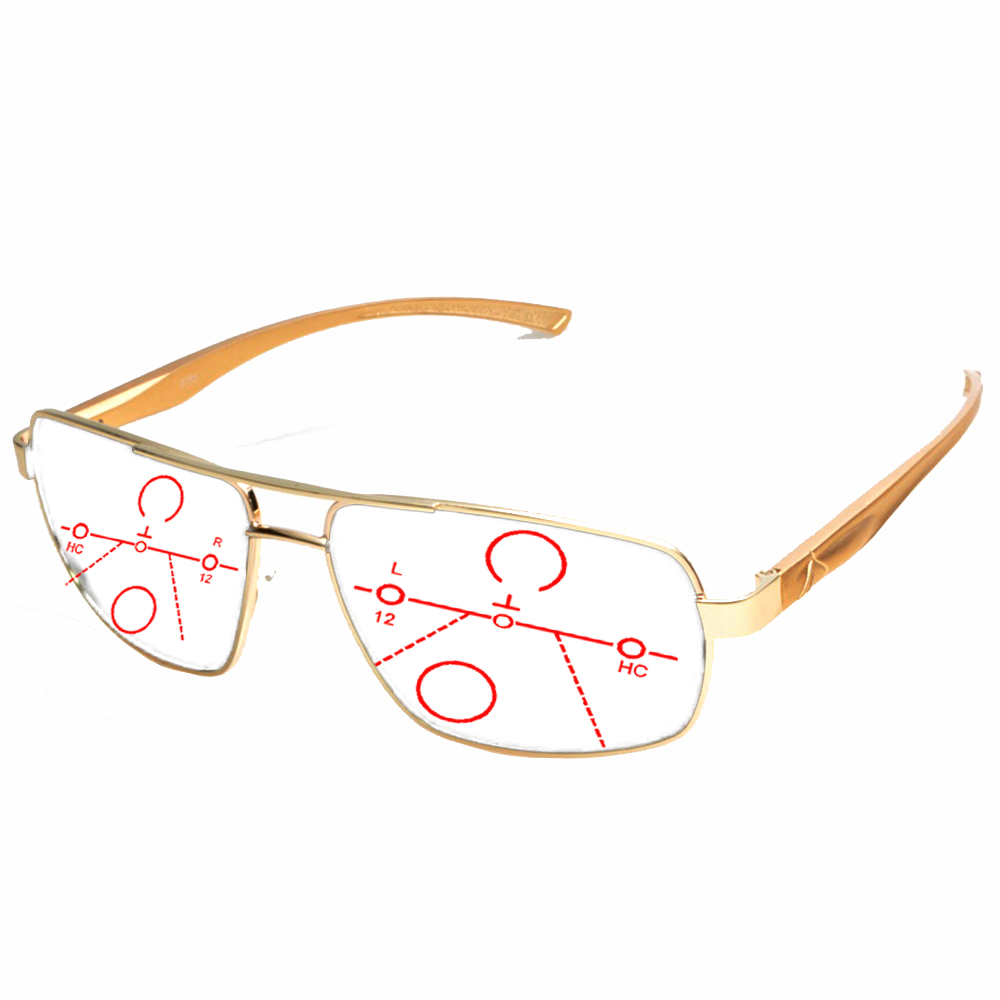
Speaking of reading glasses, I recently tried the Rectangle Double Bridge Gold Frame Men Progressive Multifocal Reading Glasses from Official Mozaer. They offer different strengths, and I found the +1.5 magnification to be perfect for my needs. The gold frame looks stylish too! They've made a noticeable difference in my ability to see the details, and I can now paint for longer periods without getting a headache. These Mozaer reading glasses are a great find.
One surprising discovery was that painting without my glasses sometimes worked better! As someone who is nearsighted, my lenses are designed to help me see things far away. I realized that for very close-up work, my natural vision was actually better. It might sound counterintuitive, but it's worth a try if you're also nearsighted.
Here's a summary of the tips that have helped me the most: